
What AI-assisted features are actually live in the Finance modules, where they genuinely reduce work, where they’re still maturing, and how Finance teams should govern AI adoption in an environment where the output ends up in audited financial statements.
Electronic Reporting for statutory and regulatory output, the Data Management Framework for structured data movement, and how the complete D365 F&O reporting stack fits together — from trial balance to regulatory filing to Power BI dashboard. The Reporting Landscape — Six Tools, Six Different Jobs D365 F&O doesn’t have one reporting tool. It has six…
Budget models, planning worksheets, budget control configuration, encumbrance accounting, budget registers, and the design decisions that determine whether the budget is a reporting column or an actual operational control over spending. D365 F&O Budgeting — Two Distinct Capabilities D365 F&O offers two separate but complementary budget-related capabilities that Finance teams sometimes conflate. Understanding the distinction…
The Cost Accounting module, cost objects, allocation hierarchies, overhead calculation, and how D365’s dedicated cost accounting layer produces management P&L reporting that the general ledger — even with dimensions — simply cannot deliver on its own. Why the GL Alone Isn’t Enough for Management Profitability Analysis The general ledger in D365 F&O — even with…
Multi-entity transactions, intercompany AR/AP, automated posting across legal entities, consolidation, elimination entries, and the configuration decisions that determine whether your multi-entity close is a manageable process or a monthly investigation. The Multi-Entity Architecture in D365 F&O D365 F&O manages multiple legal entities as separate Legal Entities within a single instance. Each legal entity has its own chart…
Project types, contracts, cost categories, revenue recognition methods, WBS structure, billing rules, and the GL integration that Finance teams need to own — for the organizations where project accounting is the whole financial story. Why Project Accounting Is Different From Everything Else Every other module we’ve covered in this series handles transactions that map cleanly…
Location hierarchies, receiving and picking, the Basic vs. WMS decision, cycle counting, and — most importantly for Finance — exactly which warehouse transactions generate GL entries and why. The Finance-Relevant Question About Warehouse Management Warehouse Management in D365 F&O is a large module with enormous operational depth — warehouse automation, mobile device workflows, wave processing,…
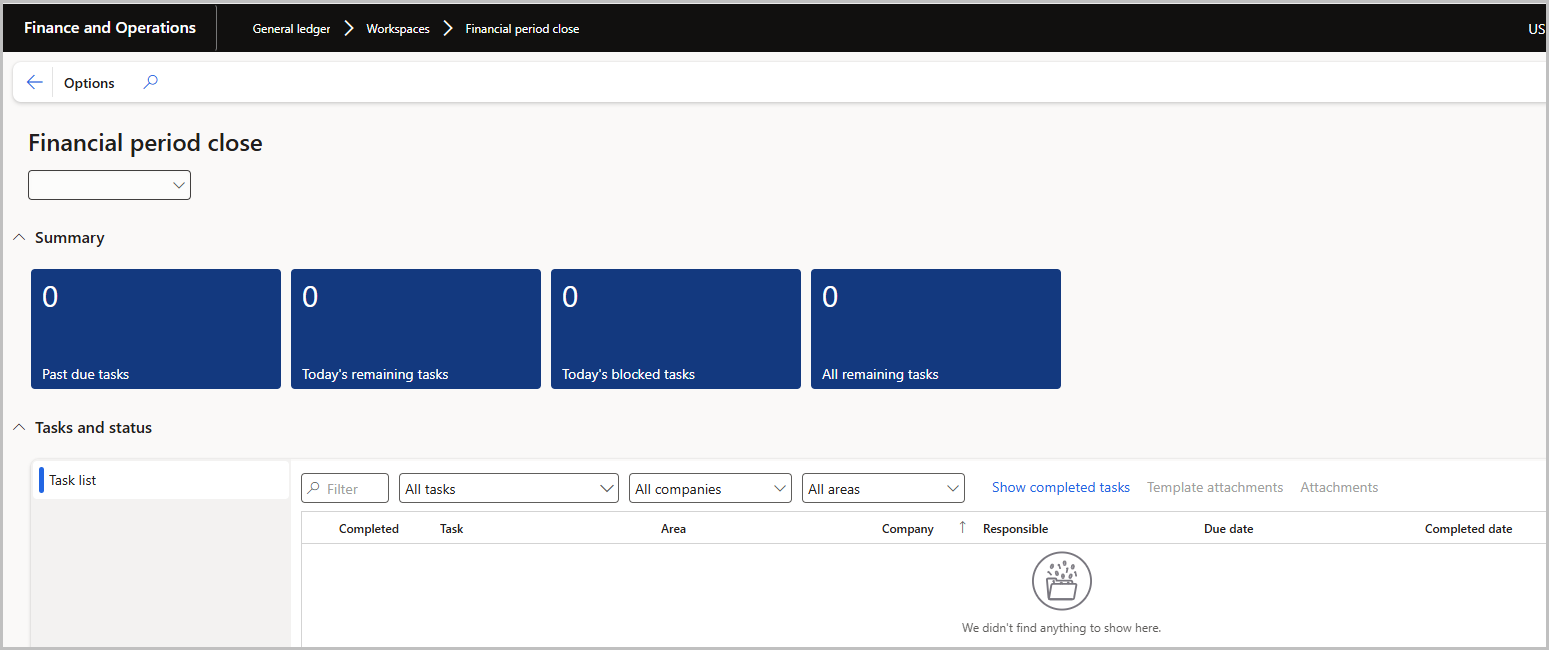
Ledger period management, the close sequence that matters, subledger reconciliations, the year-end close transaction, and how to build a month-end process that runs the same way every month — without heroics, without surprises, and without the 11 PM email asking if the books are ready. Ledger Periods and Period Status — The Control Mechanism In…
Financial Reporter (Management Reporter), row definitions, column layouts, reporting trees, dimension filtering, and the gap between having accurate data in your system and having reporting infrastructure that turns that data into decisions. The Reporting Landscape in D365 F&O — What Tool Does What D365 F&O has multiple reporting surfaces, and the confusion about which one…
Asset books, depreciation methods, acquisition and disposal accounting, mid-year conventions, and the configuration decisions that determine whether your fixed asset register and your general ledger agree at year end — and why they so often don’t. Why Fixed Assets Is More Complex Than It Looks On the surface, fixed assets seems like a straightforward module:…