D365 F&O can generate VAT returns, SAF‑T files, e‑invoices, and payment submissions automatically—but only if Finance owns the Electronic Reporting setup. This post explains how ER really works, what Finance can run directly from F&O, and the configuration gaps that turn a compliance engine into an Excel-driven process.
Bank reconciliation in D365 F&O can take 40 minutes—or three days—depending on how Finance configures it. This post shows how advanced bank reconciliation and cash application automation really work, and why matching rules, tolerances, and exception governance determine whether close is fast or painful.
Revenue Recognition in D365 F&O is powerful—but only when Finance owns the accounting decisions behind it. This post breaks down how ASC 606 / IFRS 15 is implemented in the system and the configuration mistakes that quietly lead to revenue misstatements and restatements.
If you think D365 Business Central can’t produce a management‑ready income statement, you’re just not using the right tool. This post shows how Account Schedules (Financial Reports) deliver the subtotals, ratios, budgets, and dimensional views Finance actually needs—without external reporting tools.
Business Central customization is easier than ever—but every extension comes with long‑term cost, risk, and governance implications Finance must own. This post explains how to evaluate AppSource apps vs. custom extensions and put the controls in place so software changes don’t quietly change the financial record.
Intercompany breakdowns don’t just slow the close—they create real audit and tax exposure. This post shows how D365 F&O can automate intercompany accounting and why Finance must own transfer pricing, eliminations, and reconciliation to keep multi‑entity organizations compliant.
Master Planning decisions don’t stay in Supply Chain—they hit inventory, cash flow, and margin. This post explains what Planning Optimization really does in D365 F&O and why Finance needs visibility into planning parameters before supply planning becomes a financial black box.
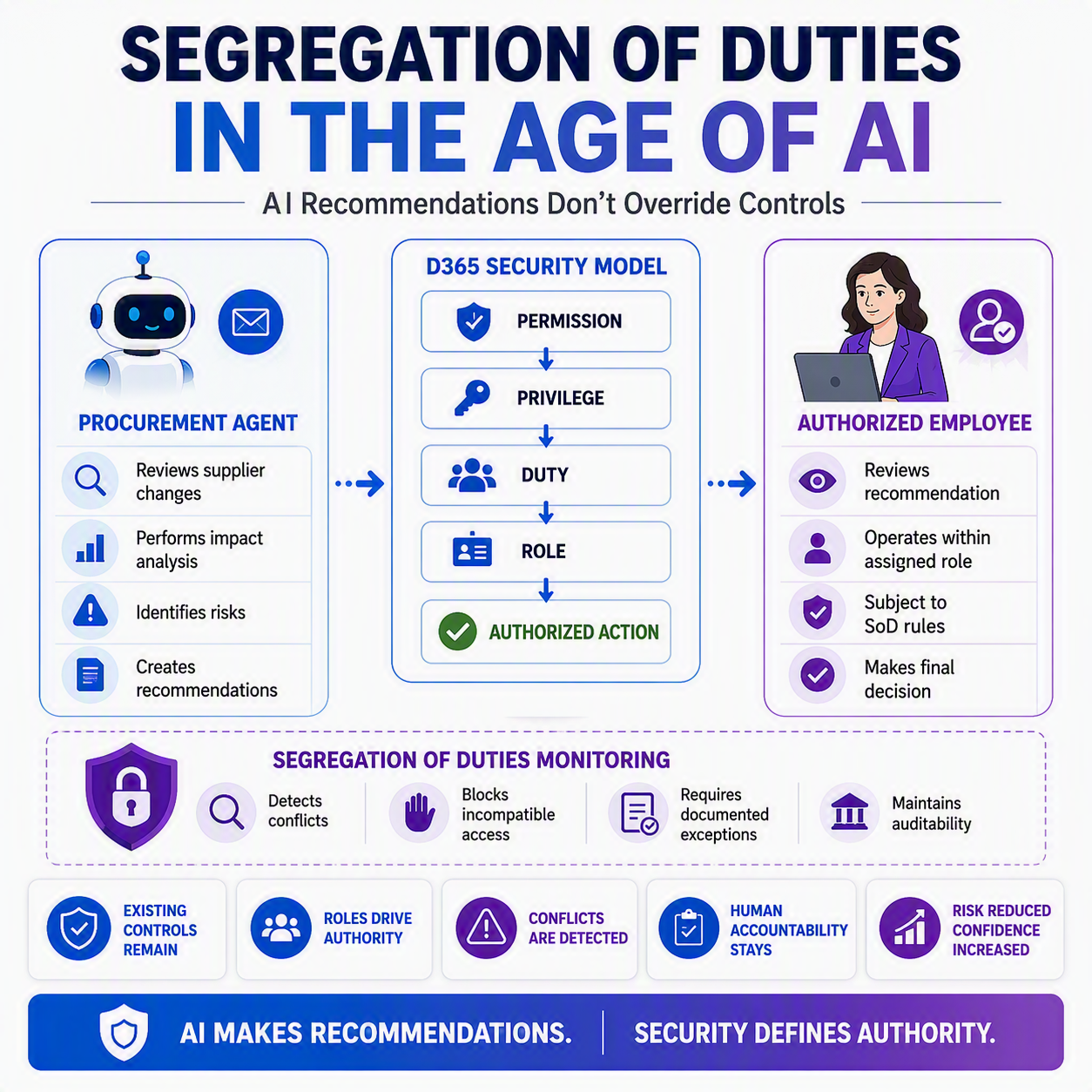
Most Business Central security problems aren’t about misuse—they’re about access that should never have been granted. This post explains how Finance must design permission sets, enforce segregation of duties, and own the quarterly access review—not IT.
Every D365 Business Central go‑live carries opening balance risk—and most issues don’t show up until audit time. This post explains what Finance must own in data migration and opening balance validation to avoid errors that quietly distort financials for years.
BC’s HR module for employee data management, the payroll integration architecture, posting payroll to the general ledger, employee expense management, and the controls Finance needs over the accounts and processes at the intersection of HR and Finance. What BC’s HR Module Actually Covers — And What It Doesn’t It’s important to set expectations correctly: BC’s…