
Category: General
-

Every D365 Business Central go‑live carries opening balance risk—and most issues don’t show up until audit time. This post explains what Finance must own in data migration and opening balance validation to avoid errors that quietly distort financials for years.
-

BC’s HR module for employee data management, the payroll integration architecture, posting payroll to the general ledger, employee expense management, and the controls Finance needs over the accounts and processes at the intersection of HR and Finance. What BC’s HR Module Actually Covers — And What It Doesn’t It’s important to set expectations correctly: BC’s…
-
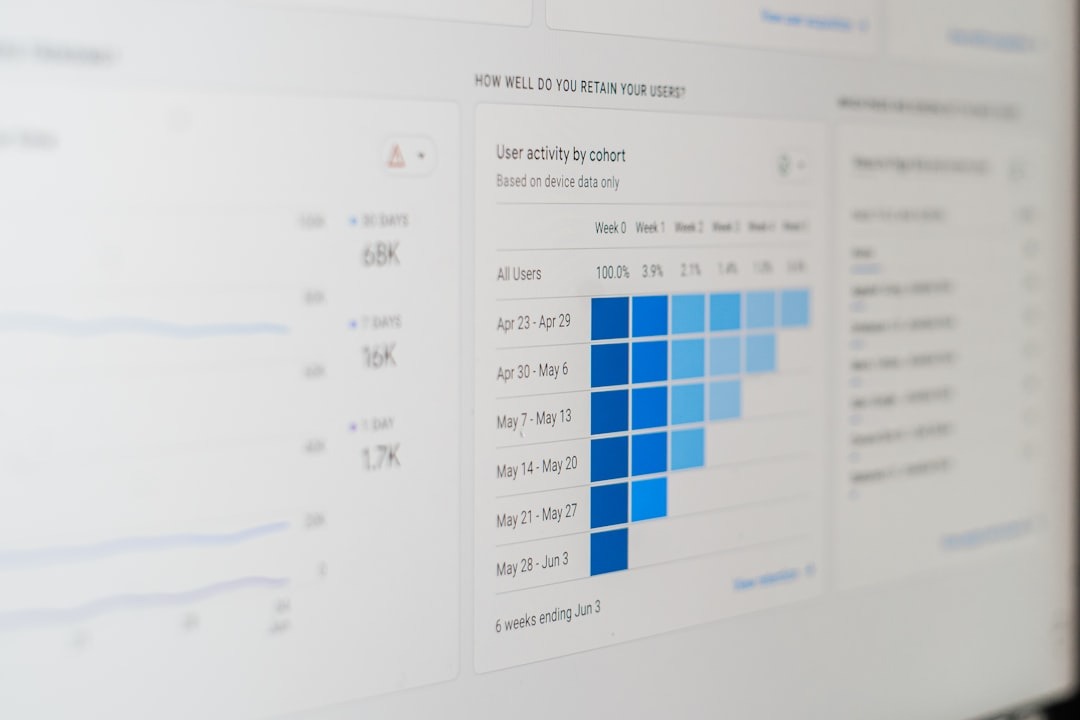
How Finance uses Power Automate, Power Apps, and Power BI with D365 F&O data—the connection methods that work, the Finance-specific use cases that actually reduce manual effort, the governance model that keeps the Power Platform from becoming uncontrolled shadow IT, and the mistakes that turn a productivity tool into a liability. The Three Tools—What Each…
-

How D365 F&O’s consolidation framework aggregates multiple legal entity trial balances, the elimination rules that strip intercompany transactions from the consolidated view, currency translation for foreign subsidiaries under ASC 830 and IAS 21, and the reconciliation controls that make the consolidated financial statements auditable—not just arithmetically correct. The Two Consolidation Methods in D365 F&O—Which One…
-

How the Data Management Framework works, the difference between data entities and direct table access and why Finance must care, how Finance uses data entities for period-end imports, recurring journal loads, and integration feeds, and the data quality controls that keep automated loads from silently posting incorrect records nobody asked for. What the Data Management…
-

How D365 F&O’s security model is structured — roles, duties, privileges, and permissions — the segregation of duties conflicts auditors require Finance to resolve, Extensible Data Security (XDS) for financial dimension and legal entity access control, the user security review that should happen quarterly but usually doesn’t, and why Finance must own the access control…
-
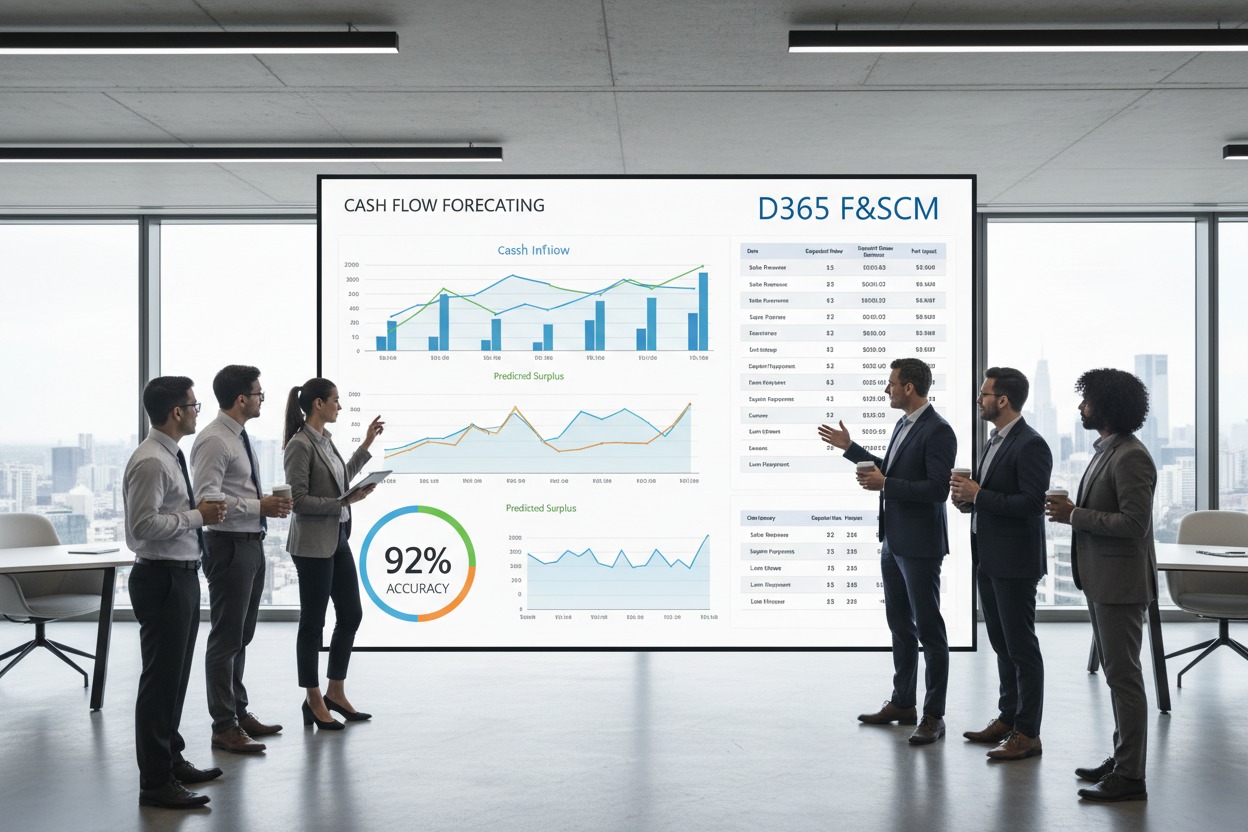
The Cash Flow Forecast workspace and what it actually aggregates, bank account structure and liquidity visibility, payment timing adjustments that make the forecast usable, the gap between system-generated projections and a forecast leadership can act on, and the Finance governance that bridges the two without rebuilding the whole thing in Excel. What D365’s Cash Flow…
-

The right-of-use asset and lease liability model, how D365’s Asset Leasing module handles lease classification, amortization schedule generation, and automated monthly journal creation, discount rate sourcing, lease modifications, and the ongoing governance that keeps the lease portfolio reconciled without a parallel spreadsheet perpetually running alongside the system. The Accounting Model — What ASC 842 and…
-

How Microsoft’s continuous delivery model works for D365 F&O, what Finance must review before each release wave deploys, how to test changes affecting financial processes without becoming the bottleneck, and the governance model that keeps automatic updates from becoming unannounced surprises at period close. How Microsoft Delivers Updates — The Two-Wave Model D365 F&O operates…
-

The vendor portal and self-service invoicing, purchase agreements vs. trade agreements and how each prices a PO, procurement policies and category hierarchies, consignment inventory and its unique GL treatment, and the three-way match controls that prevent paying for what wasn’t received at a price that wasn’t agreed. Invoice Matching in D365 — The Three Variants…