Tag: D365


  • Intercompany Accounting and Transfer Pricing in D365 F&O

    Intercompany breakdowns don’t just slow the close—they create real audit and tax exposure. This post shows how D365 F&O can automate intercompany accounting and why Finance must own transfer pricing, eliminations, and reconciliation to keep multi‑entity organizations compliant.

  • Planning Optimization and Master Planning in D365 F&O

    Master Planning decisions don’t stay in Supply Chain—they hit inventory, cash flow, and margin. This post explains what Planning Optimization really does in D365 F&O and why Finance needs visibility into planning parameters before supply planning becomes a financial black box.

  • Security, User Roles, and Permission Sets in BC

    Most Business Central security problems aren’t about misuse—they’re about access that should never have been granted. This post explains how Finance must design permission sets, enforce segregation of duties, and own the quarterly access review—not IT.

  • Data Migration and Opening Balance Setup in BC

    Every D365 Business Central go‑live carries opening balance risk—and most issues don’t show up until audit time. This post explains what Finance must own in data migration and opening balance validation to avoid errors that quietly distort financials for years.

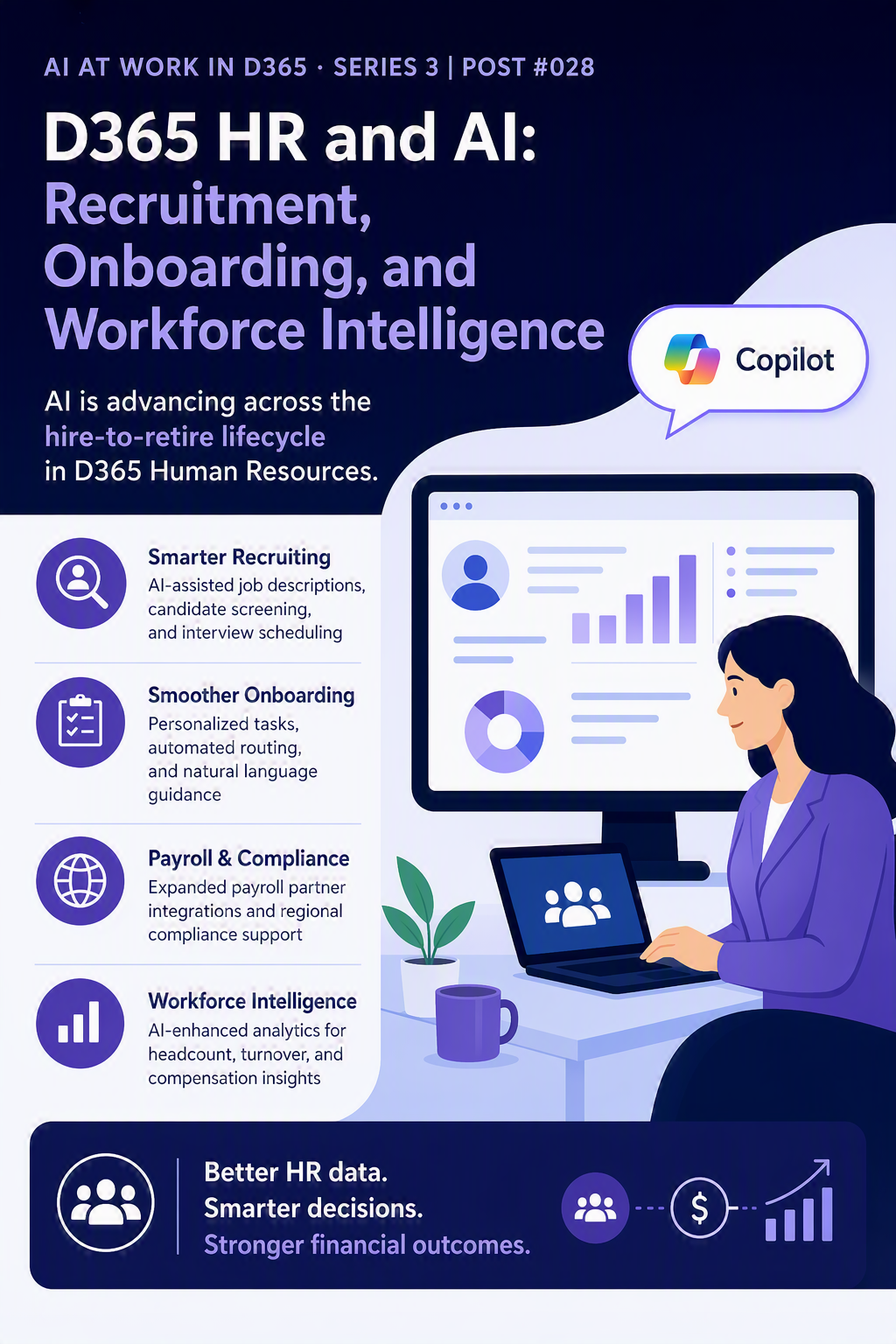
  • HR, Payroll Integration, and Employee Expenses in Business Central

    BC’s HR module for employee data management, the payroll integration architecture, posting payroll to the general ledger, employee expense management, and the controls Finance needs over the accounts and processes at the intersection of HR and Finance. What BC’s HR Module Actually Covers — And What It Doesn’t It’s important to set expectations correctly: BC’s…

  • Power Platform Integration with D365 F&O

    How Finance uses Power Automate, Power Apps, and Power BI with D365 F&O data—the connection methods that work, the Finance-specific use cases that actually reduce manual effort, the governance model that keeps the Power Platform from becoming uncontrolled shadow IT, and the mistakes that turn a productivity tool into a liability. The Three Tools—What Each…

  • Consolidations and Eliminations in D365 F&O

    How D365 F&O’s consolidation framework aggregates multiple legal entity trial balances, the elimination rules that strip intercompany transactions from the consolidated view, currency translation for foreign subsidiaries under ASC 830 and IAS 21, and the reconciliation controls that make the consolidated financial statements auditable—not just arithmetically correct. The Two Consolidation Methods in D365 F&O—Which One…

  • Data Management and Data Entities in D365 F&O

    How the Data Management Framework works, the difference between data entities and direct table access and why Finance must care, how Finance uses data entities for period-end imports, recurring journal loads, and integration feeds, and the data quality controls that keep automated loads from silently posting incorrect records nobody asked for. What the Data Management…

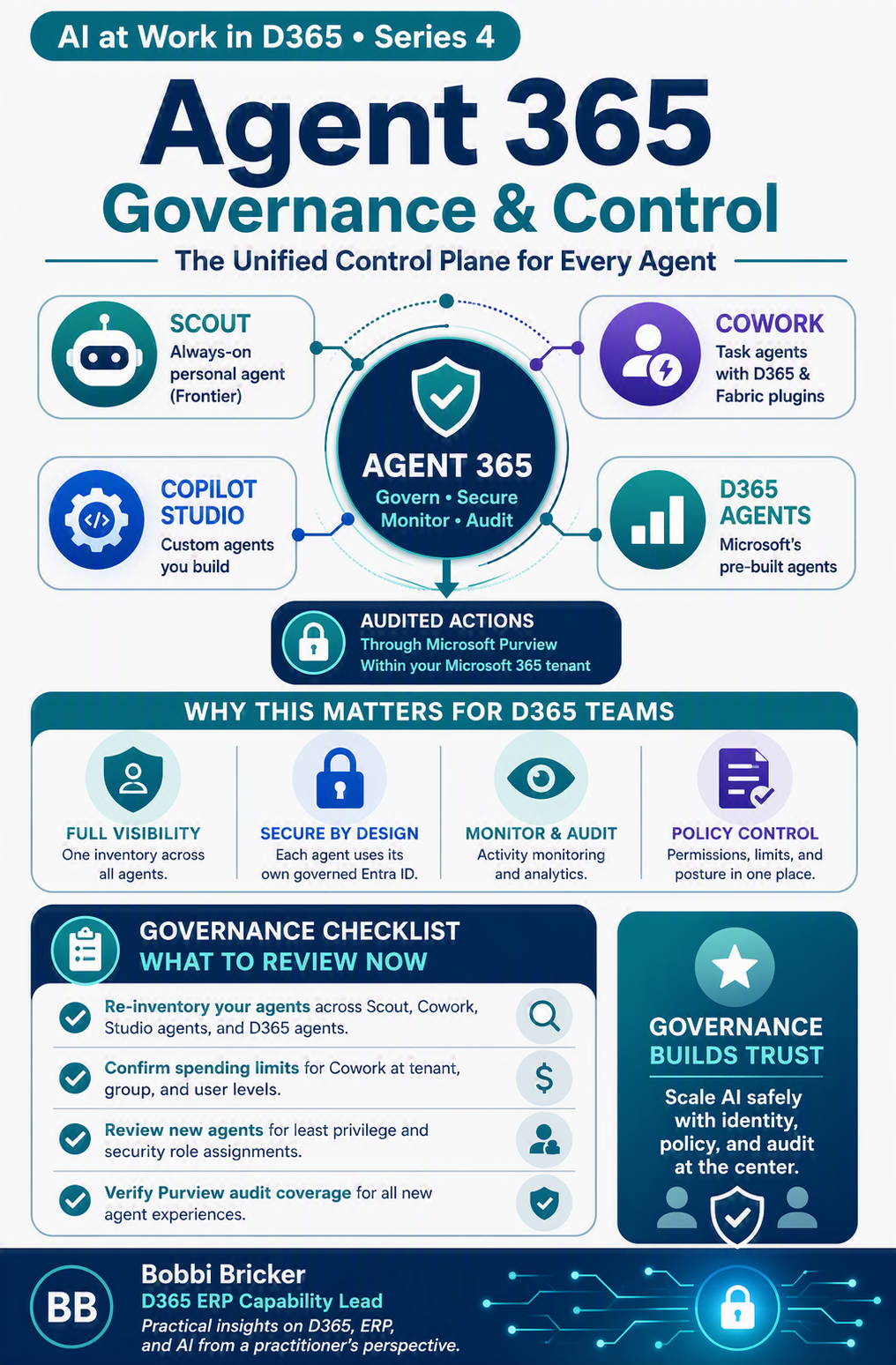
  • Security, Role-Based Access, and Data Segregation in D365 F&O

    How D365 F&O’s security model is structured — roles, duties, privileges, and permissions — the segregation of duties conflicts auditors require Finance to resolve, Extensible Data Security (XDS) for financial dimension and legal entity access control, the user security review that should happen quarterly but usually doesn’t, and why Finance must own the access control…

  • Cash Flow Forecasting and Treasury Management in D365 F&O

    The Cash Flow Forecast workspace and what it actually aggregates, bank account structure and liquidity visibility, payment timing adjustments that make the forecast usable, the gap between system-generated projections and a forecast leadership can act on, and the Finance governance that bridges the two without rebuilding the whole thing in Excel. What D365’s Cash Flow…